
Watch episode 6 on YouTube
Show notes
In this episode, Michael and Bill discuss a blog that Bill wrote called Schools that teach Reading and Spelling in a Research Informed way: Picking a Winner.
In the episode, we focus on tips for parents to get beyond the sales pitch to make an informed decision about whether the school might be a good fit.
The first part of this episode discusses six red flags to look out for that may indicate that the school doesn’t have a scientific approach to its teaching of reading and spelling.
The six red flags are around some of the answers a parent might get to the question:
“Can you tell me about how reading and spelling is taught here?”
“We believe…”
“We promote a love of reading”
“Different teachers teach reading and spelling differently”
“Not all learners learn to read and spell the same way”
“Students are at different points so we don’t teach them the same content / same way…”
“We use an inquiry approach to teaching literacy”
In the second part of the episode, we talk about the answers you want to hear when asking this question.
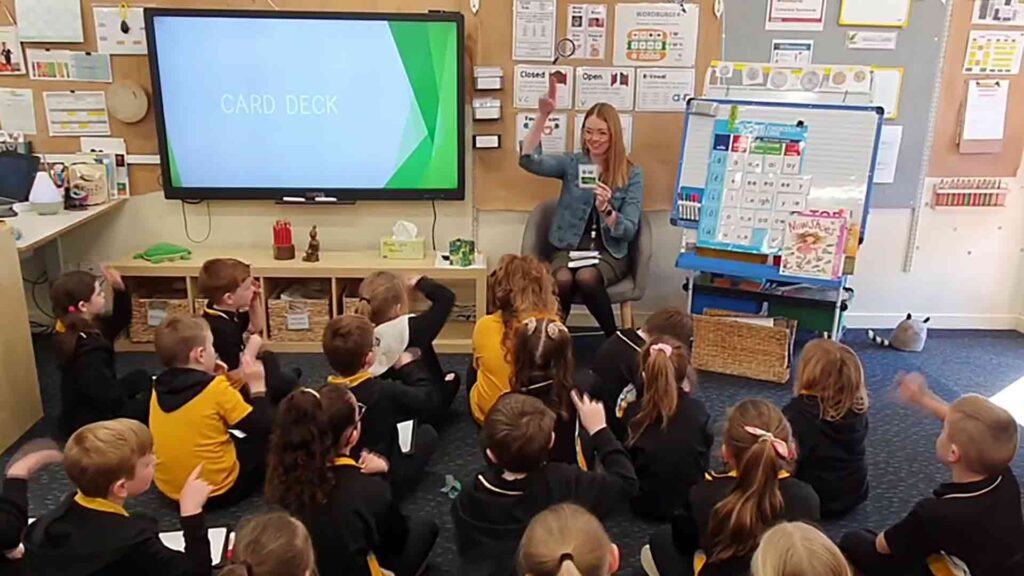
The blog post itself also advises educators on what some exceptional schools are doing in this space, including a video of a class at Salisbury Primary School in action.
Selected links and extras related to the episode
Bills blog post – All of the links and resources we mention are in Bill’s original blog post
https://www.hansberryec.com.au/post/how-does-your-child-s-school-teach-reading-some-questions-well-worth-asking
Playberry Schools Register
A list of schools that use the Playberry Tier 3 program.
https://dyslexicstrengths.com.au/playberry-schools-register/
Outside The Square movies
https://outsidesquarefilms.wordpress.com/film-trailers/
This video explains why Learning Styles are a red flag
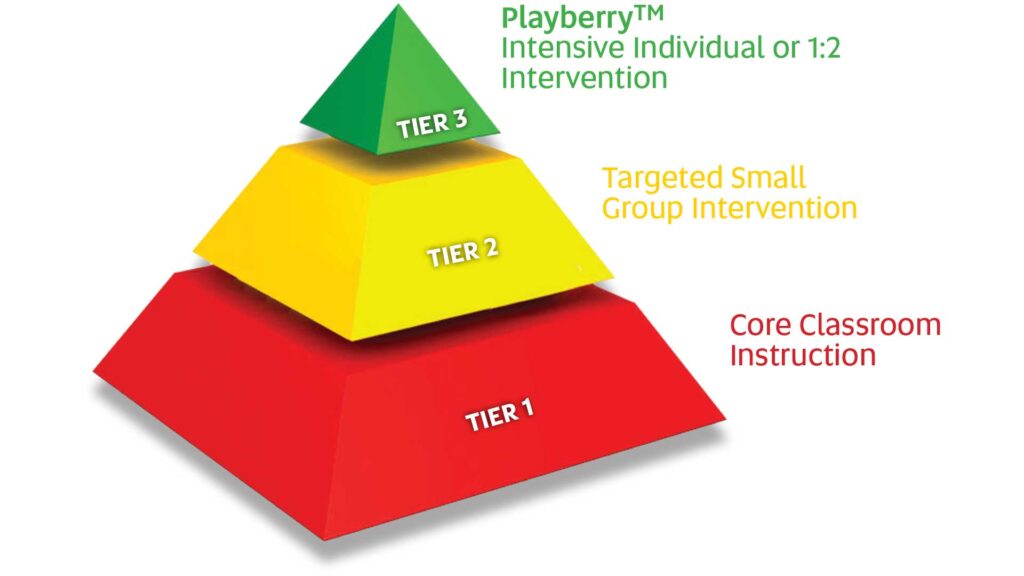
The Response to Intervention Pyramid
With RTI, schools track kids’ progress using evidence-based assessments. Kids are identified as needing intervention if they fall too far behind. At this point, they are withdrawn from the classroom for short periods of intensive 1:1 or 1:2 instruction.
You can read more about how this model works here.
https://uldforparents.com/contents/identifying-and-diagnosing-specific-learning-disabilities/the-response-to-intervention-rti-model/
Explicit Direct Instruction
https://us.corwin.com/en-us/nam/explicit-direct-instruction-edi/book250450
John Hattie’s Effect Size List.
https://visible-learning.org/hattie-ranking-influences-effect-sizes-learning-achievement/
South Australian Literacy Specialists (Dyslexia) Register
There is a searchable database of Literacy and maths specialist teachers and schools that use the Playberry© Structured Multisensory Literacy Program on Michael’s website.
The Dyslexia Community South Australia Facebook Group
https://www.facebook.com/groups/548229375675335
There is an interactive map of schools in South Australia posted in this group that uses a green and orange pin system to classify schools.
Green pin = a school that can provide evidence of a whole of school Science of Reading approach around their assessments, pedagogy, intervention.
Orange pin = a school that is on their Science of Reading journey. Self-reported or recommended by school staff, families, or dyslexia specialist






4 Responses
What a brilliant podcast! So thorough, intelligent and empathetic, wish I had have found you 2 yrs ago when I was agonising over schools! Also entertaining! Humour helps when trying to navigate these tricky concepts for a parent, love listening to you two! Thankyou!
Thank you, Felicity – it is great to get feedback and know we are not just talking to ourselves 😉.
Thank you!!! Your podcast is making such a difference. As I work my way through the episodes I am so learning so much and gaining much needed clarity to help me work out how to truly support my 7 year old son who has been diagnosed with Dyslexia and Dyscalculia. I only wish you were in Sydney so that we could meet you in person!
Hi Liza, That’s wonderful to hear. It’s a project of passion for us, we want to improve the outcomes for as many kids, teachers and families as we can, so it is very gratifying to hear that it is making a difference. It would be great to meet in person! Maybe one day :-).